IDP Completes Support of 2025-2026 Antarctic Field Season
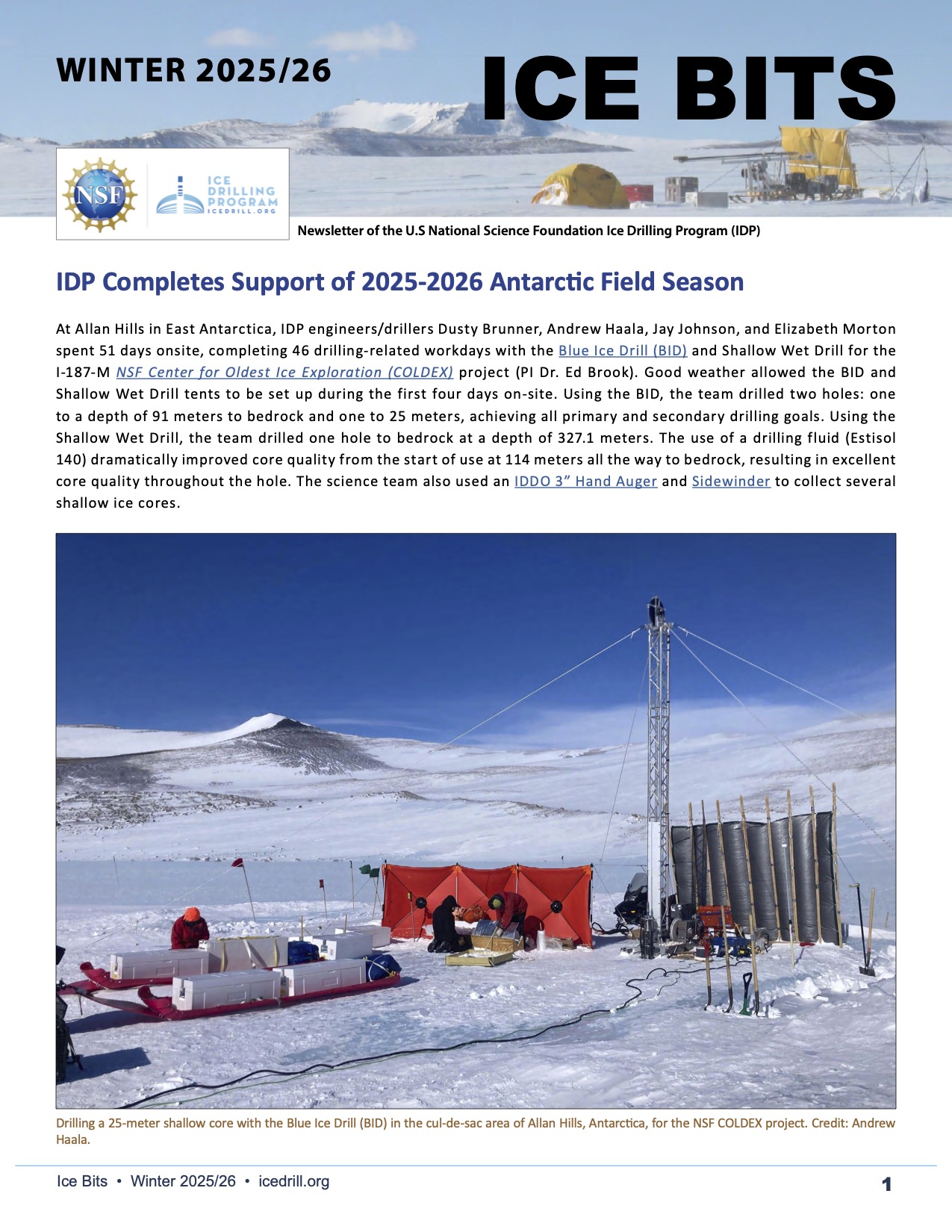
At Allan Hills in East Antarctica, IDP engineers/drillers Dusty Brunner, Andrew Haala, Jay Johnson, and Elizabeth Morton spent 51 days onsite, completing 46 drilling-related workdays with the Blue Ice Drill (BID) and Shallow Wet Drill for the I-187-M NSF Center for Oldest Ice Exploration (COLDEX) project (PI Dr. Ed Brook). Good weather allowed the BID and Shallow Wet Drill tents to be set up during the first four days on-site. Using the BID, the team drilled two holes: one to a depth of 91 meters to bedrock and one to 25 meters, achieving all primary and secondary drilling goals. Using the Shallow Wet Drill, the team drilled one hole to bedrock at a depth of 327.1 meters. The use of a drilling fluid (Estisol 140) dramatically improved core quality from the start of use at 114 meters all the way to bedrock, resulting in excellent core quality throughout the hole. The science team also used an IDDO 3” Hand Auger and Sidewinder to collect several shallow ice cores.
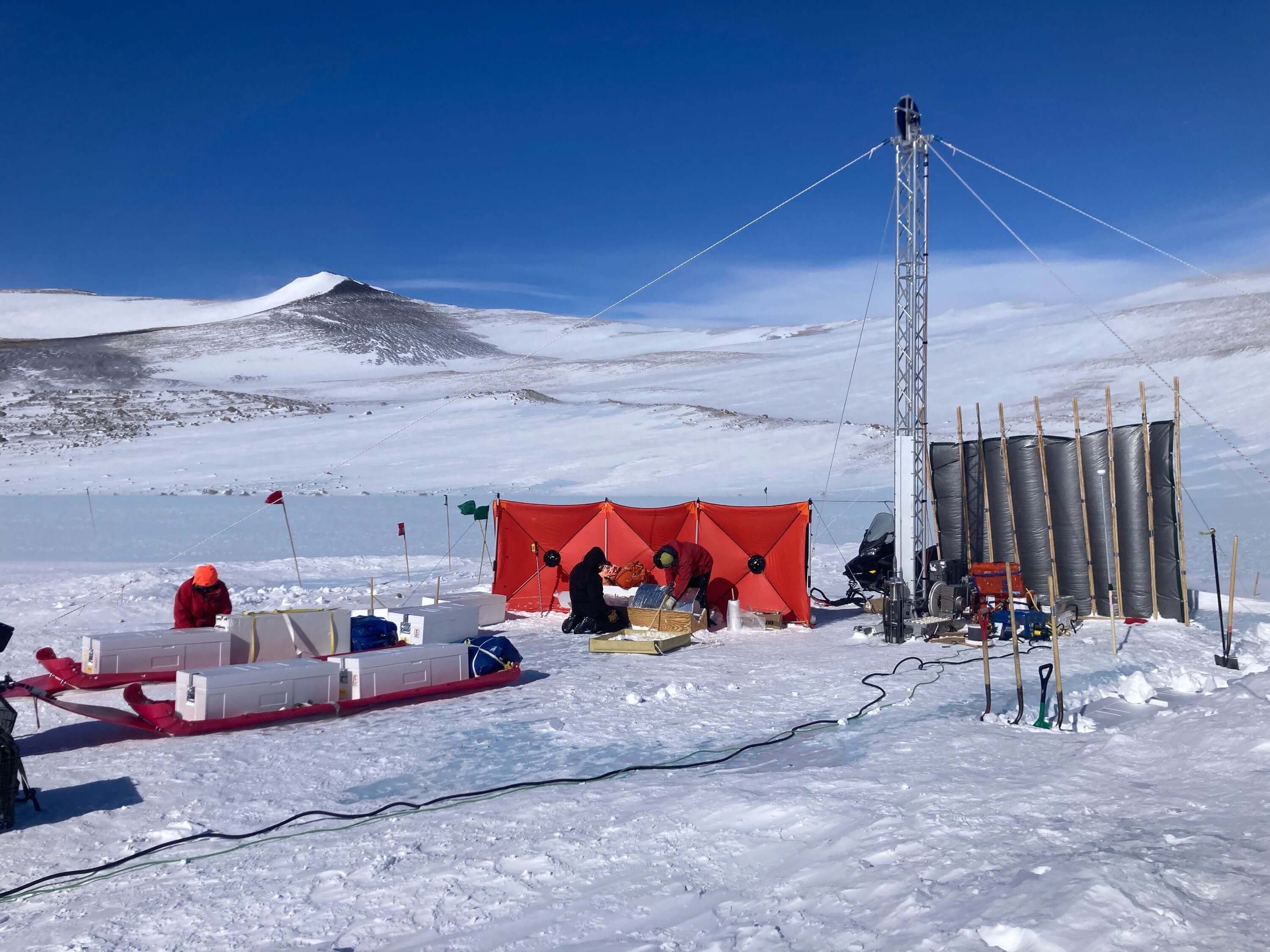
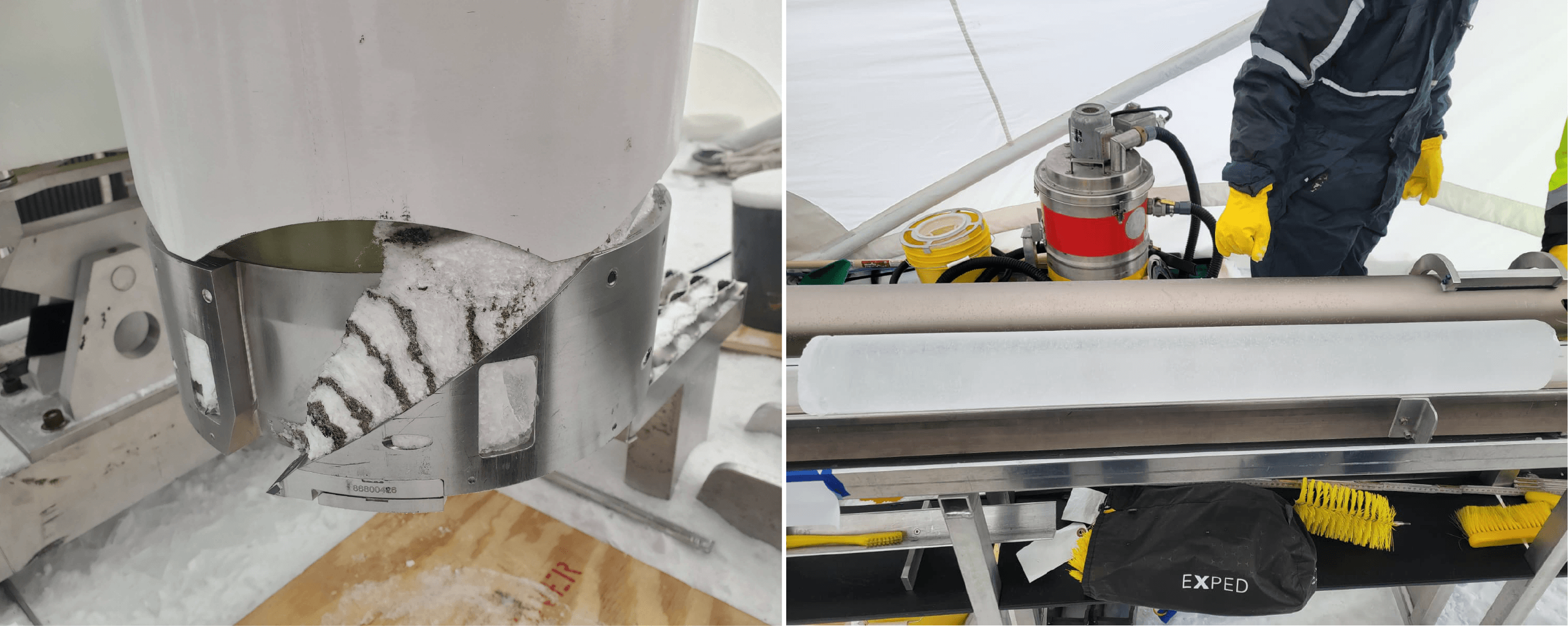
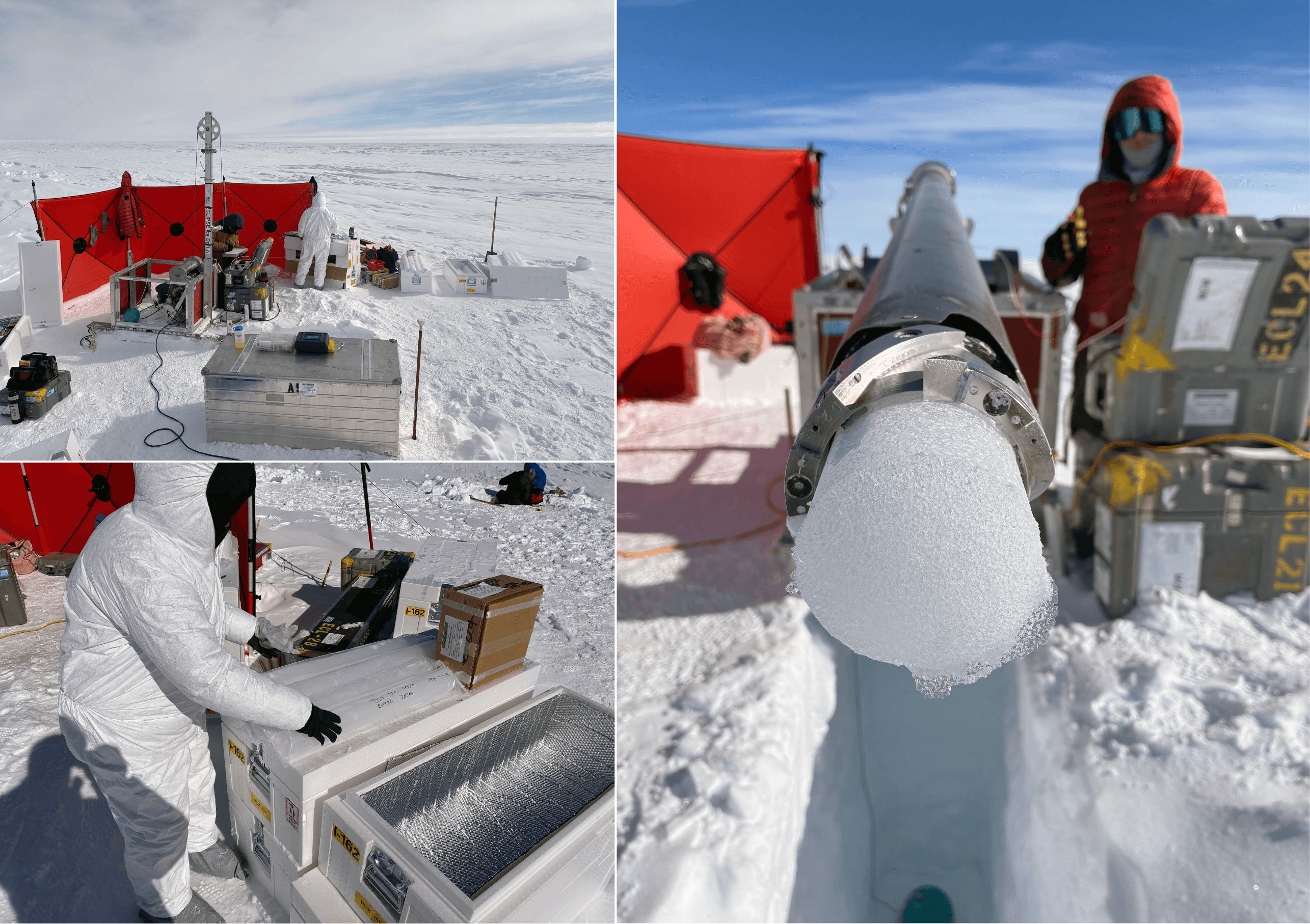
At Taylor Dome in East Antarctica, IDP engineers/drillers Forest Harmon and Elliot Moravec spent 42 days onsite, completing 28 drilling-related workdays with the Eclipse Drill for the I-162-M Collaborative Research: A New Approach to Firn Evolution using the Taylor Dome Natural Laboratory project (PI Dr. Kaitlin Keegan; Field Team Lead Dr. Zoe Courville). After completing the fieldwork at Allan Hills, IDP driller Elizabeth Morton traveled to Taylor Dome to provide additional drilling and science support. All primary drilling objectives were achieved with 583 meters drilled across four drilling sites, averaging 20.8 meters drilled per day. The Eclipse Drill provided excellent core quality and was easy to maneuver between drill sites. The science team also used an IDDO 3” Hand Auger and the new Sidewinder to core 95 meters across four boreholes. The new Sidewinder was very successful, improving both coring efficiency and operator safety.
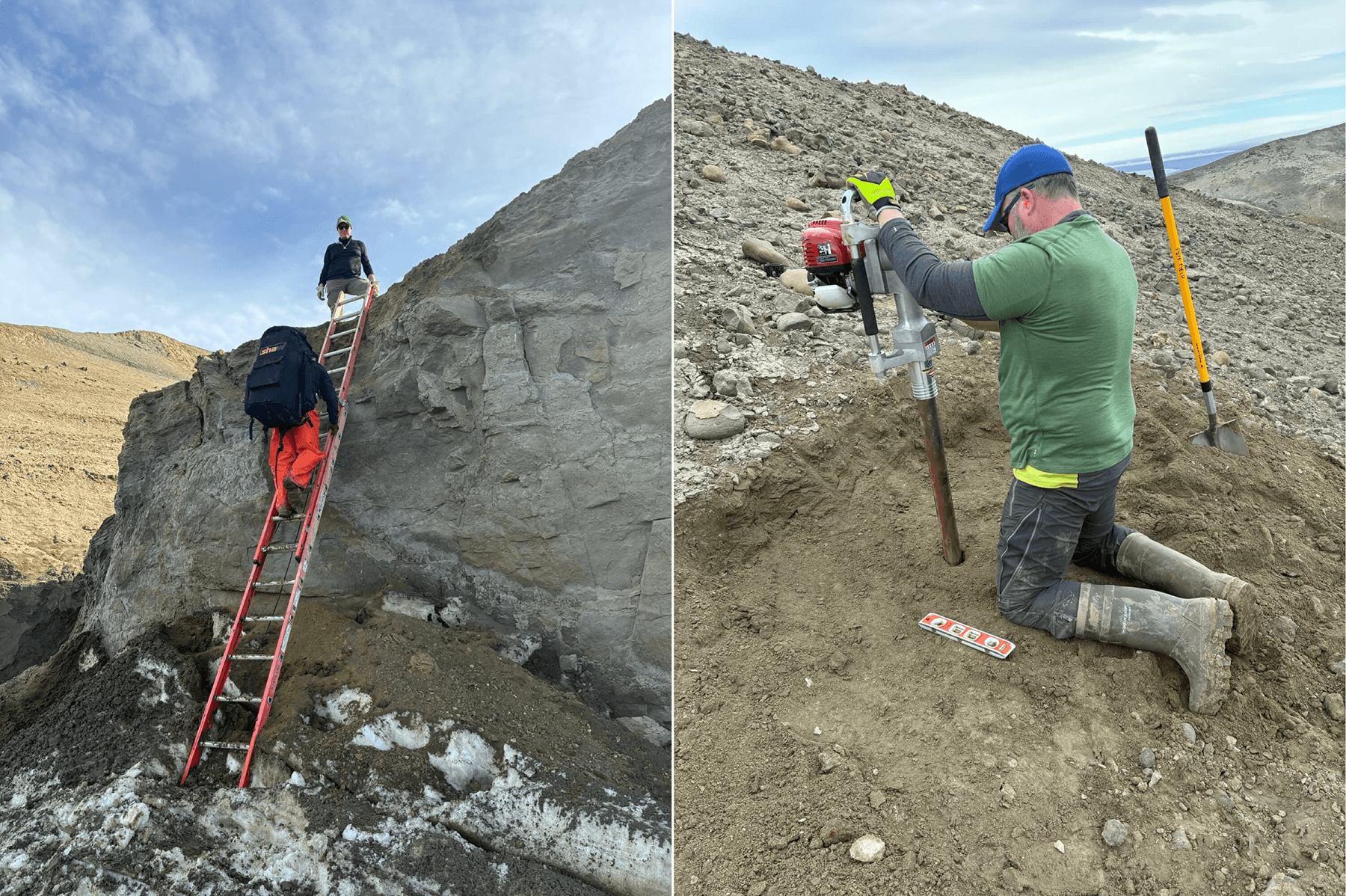
IDP engineers/drillers Tanner Kuhl and Jim Koehler deployed from Punta Arenas, Chile, to Seymour Island via the R/V Sikuliaq (operated by the University of Alaska – Fairbanks) to support the G-296-N Coring Seymour Island project (PI Dr. Thomas Tobin). The field site was too muddy to camp, so the team commuted back and forth to the R/V Sikuliaq. Using a PI-owned Shaw Drill, along with equipment supplied by IDP (electric driver, casings, recirculation basin, water pumps, etc.), the team drilled four boreholes 10- to 15-feet deep each in rock/sediment along a short transect of the island. Reasonably good, mostly continuous core was recovered from all holes. IDP learned a lot about clay and permafrost coring, and the scientists were very happy with the recovered cores.
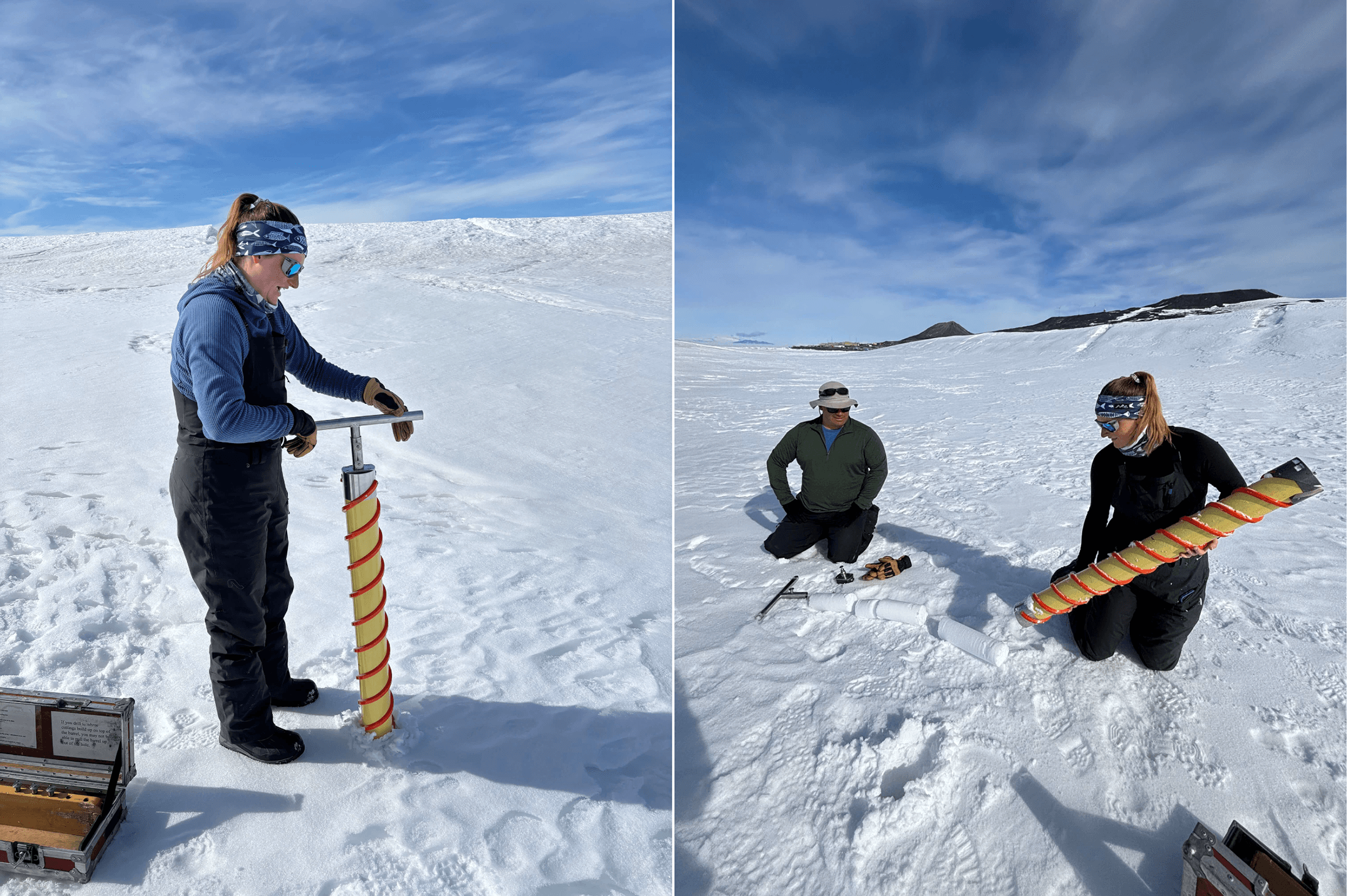
Using a Kovacs Hand Auger, the I-169-M Collaborative Research: Ice-Shelf Rumpling and its Influence on Ice-Shelf Buttressing Processes project (PI Dr. Doug MacAyeal) drilled three shallow boreholes along the terminus of the McMurdo Ice Shelf to validate a suspected brine layer perceived in ground-penetrating radar (GPR) data. The science team found both liquid brine and brine-saturated firn in two of the cores.
IDP Leads Town Hall at the AGU 2025 Fall Meeting
IDP organized and led the Town Hall on Scientific Drilling in the Polar Regions at the 2025 AGU Fall Meeting held in New Orleans, LA, on December 17, 2025. The Town Hall featured updates from the NSF Ice Drilling Program (IDP; Dr. Mary Albert), NSF Center for Oldest Ice Exploration (COLDEX; Dr.Ed Brook), Ice Core Early Career Researchers Workshop (ICECReW; Dr. Julia Andreason), and Hercules Dome Ice Core (Dr. Murat Aydin), and it included a Q&A session with approximately 70 attendees. The event was filmed by AGU and made available via the AGU meeting website for several months after the meeting. Presentations are available at https://icedrill.org/library/presentations-2025-agu-town-hall-th35d-scientific-drilling-polar-regions.
Recent IDP Outreach Highlights
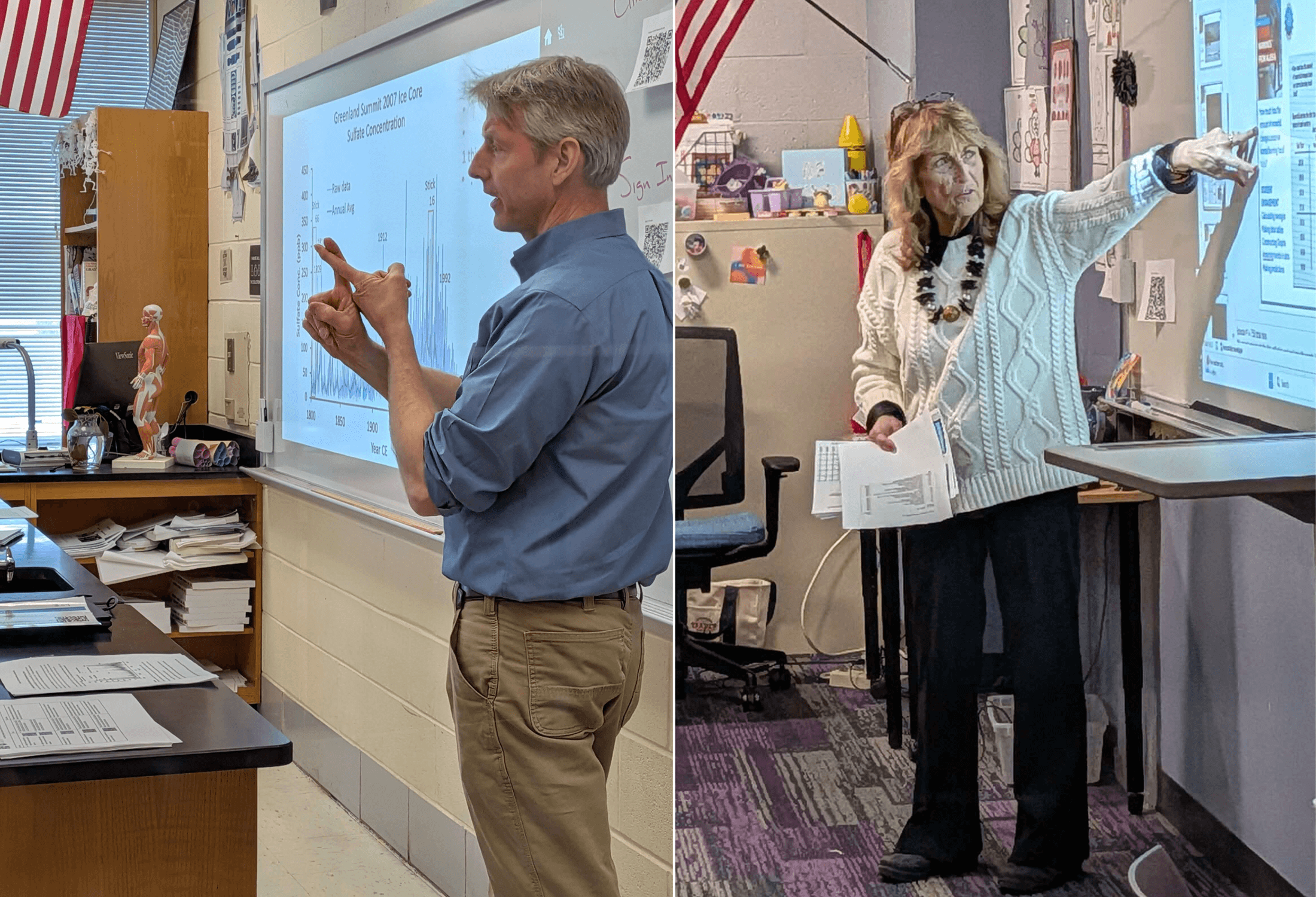
IDP recently hosted three major educational events: two regional conferences in DuPage County, IL, and a national winter webinar.
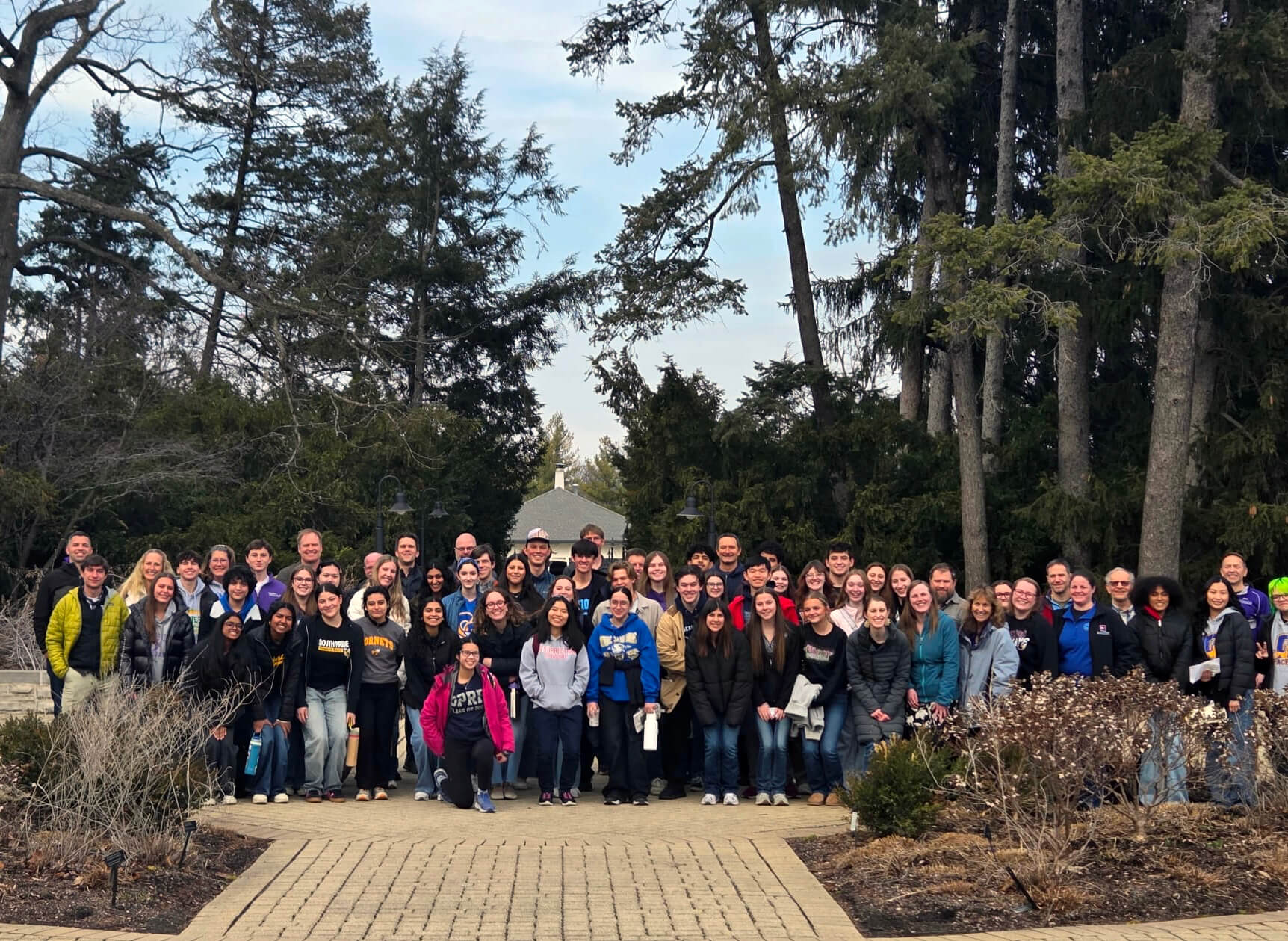
Project 2100 Immersive Student Conference (February 26)
- Location: Morton Arboretum in Lisle, IL
- Impact: Approximately 100 Advanced Placement (AP) high school students and teachers engaged directly with IDP-affiliated scientists and engineers.
- Goal: To inspire and equip high school students to become the leaders who will shape the world and environment they inherit in the year 2100.
Educators’ Professional Development Science Conference (February 27)
- Location: Downers Grove North High School
- Impact: 400 middle and high school educators from 20+ school districts collaborated with over 20 IDP-affiliated scientists and engineers
- Highlights: Keynotes by Dr. Erich Osterberg and Drs. Richard and Karen Alley were followed by 75+ breakout sessions focusing on ice core research and classroom-ready inquiry resources.
2nd Annual Winter Webinar (March 11)
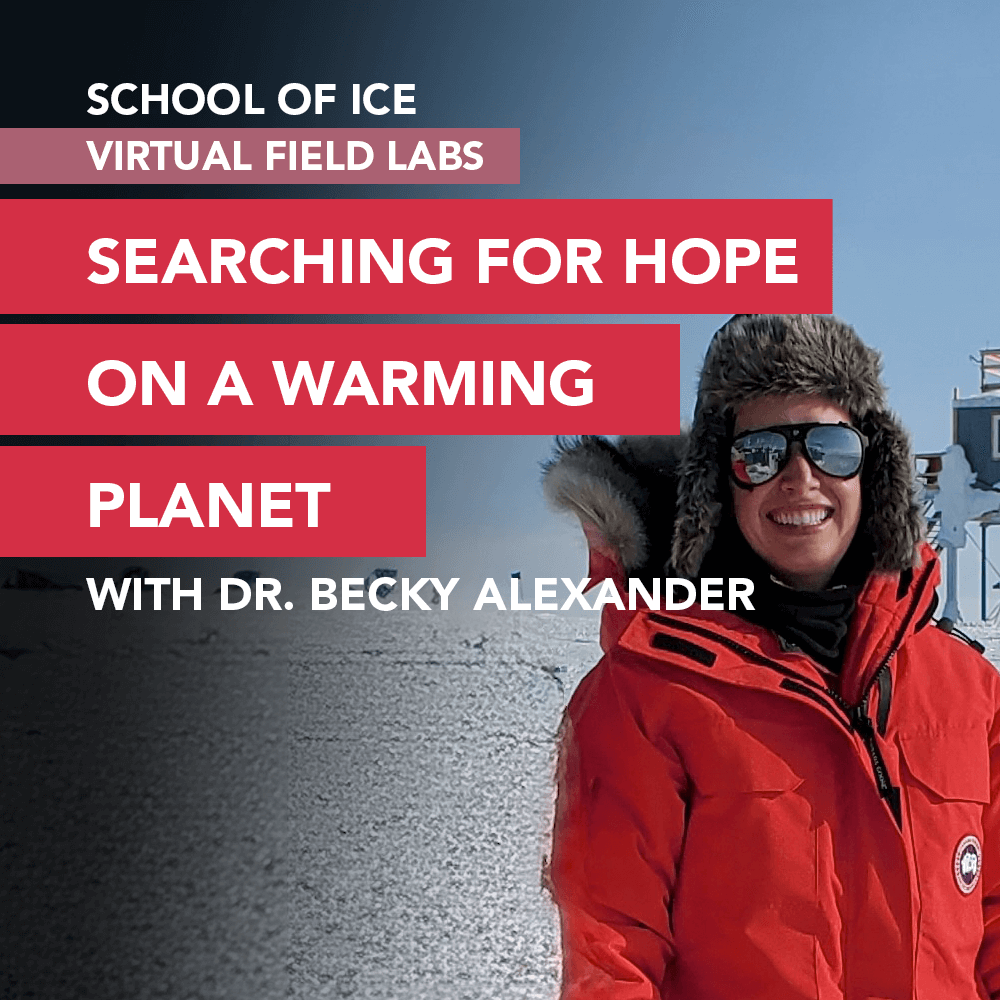
- Feature: Dr. Becky Alexander presented “Searching for Hope on a Warming Planet”, IDP’s latest Virtual Field Lab (VFL). The Virtual Field Labs are unique interactive education and outreach products designed for students from late middle school to college. The labs are designed for students to watch with a teacher present (virtually or in-person) or independently on their computers. Each Virtual Field Lab features a climate scientist and engages students in collecting and analyzing data to answer different investigation questions.
- Attendance: ~50 educators, including alumni from the School of Ice and attendees from the DuPage County, IL, professional development science conference.
IDP Ice Core Community Workshop December 2026
Save the date!! Sunday, December 6, 2026, in San Francisco, CA, will be the location of the IDP Ice Core Working Group (IDP-ICWG) community meeting. This single-day meeting is on Sunday at the start of the AGU meeting week. The goal of the meeting is to reach U.S. ice core community consensus on the compelling scientific need and approximate location of the next U.S. deep ice coring site to be drilled after the Fifth International Polar Year (IPY-5).
The IDP-ICWG priority deep drilling at Hercules Dome has been in the works for years and is now approaching; drilling will hopefully be finished just before or during the IPY-5. What comes after Hercules Dome for the next U.S. community ice core? Deep or intermediate depth drilling requires planning and coordination across IDP, logistics, and NSF, and it takes many years to launch. It starts with U.S. ice core community consensus. Please plan to join us in San Francisco on Sunday, December 6! More information will become available in several months.
IPICS 2026 Open Science Conference in North America
International Partnerships in Ice Core Sciences (IPICS)
2026 Open Science Conference
https://www.ipics2026.org/
Banff Center for Arts and Creativity
Banff, Canada
October 12-16, 2026
Registration for the 2026 International Partnerships in Ice Core Sciences (IPICS) Open Science Conference is now open!
The IPICS2026 meeting will be held at the Banff Centre for Arts and Creativity in scenic Banff, Canada. The meeting runs from Monday, October 12 to Friday, October 16, 2026. An associated Early Career Researcher workshop will take place in the same venue on Sunday, October 11.
From million-year-old cores to climate science’s cutting edge — IPICS 2026 is your gateway to the latest in ice core research. The conference highlights international partnerships and celebrates 75+ years of North American leadership in ice drilling. Whether you present data, forge new collaborations, or start your ice core science journey, IPICS 2026 is the place to connect, contribute, and get inspired.
The organizing committee has put together an exciting program of scientific sessions, an excursion, and social events designed to maintain the long-standing international connectivity of ice core science. Banff is a fantastic destination in the Canadian Rocky Mountains, and the Banff Centre is ideally suited for IPICS 2026. Hotel rooms are available on-site, and we strongly encourage you to book your lodging at the Banff Centre (see the separate link on the conference webpage). Having all participants stay on site will greatly enhance the experience with more opportunities for interaction. Lodging on site is economical relative to other options in Banff, will allow easy access to the conference facilities, and is just a short walk to downtown Banff. On-site group breakfast and lunch are included with the registration.
Please register and book your housing as soon as possible.
The abstract submission deadline is May 15.
-- IPICS 2026 Local Organizing Committee
Requesting Field Support
If you are preparing a National Science Foundation (NSF) proposal that includes any kind of support from IDP, you must include a Letter of Support from IDP in the proposal. Researchers are asked to provide IDP with a detailed support request six weeks prior to the date the Letter of Support is required. Early submissions are strongly encouraged.
Scientists who seek to include IDP education and outreach activities associated with U.S. ice coring or drilling science projects should contact Louise Huffman at Louise.T.Huffman@Dartmouth.edu during their proposal preparation stage.
For additional information on requesting IDP support, visit our website at https://icedrill.org/requesting-field-support or contact us at IceDrill@Dartmouth.edu.
Acknowledgment of IDP in Publications
If you receive any support from IDP, we kindly request you acknowledge IDP in any resultant publications or articles with the following statement: “We thank the NSF Ice Drilling Program for support activities through NSF Continuing Grant 2318480.” If you have any questions, please contact us at IceDrill@Dartmouth.edu.